Scaling Your Fleet: When and How to Add More Trucks
July 16, 2026
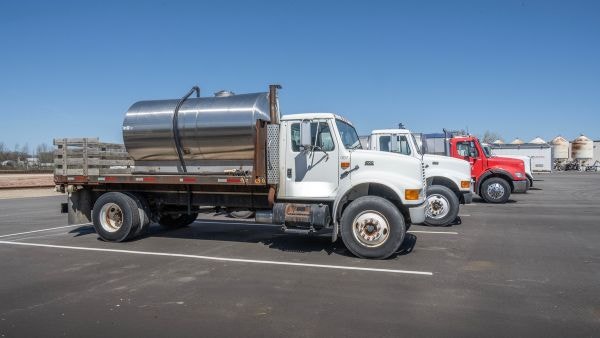
For many trucking companies, there will come a time when they feel they are ready to take on more. However, more freight comes with more trucks, and more trucks come with more drivers. More drivers, trucks, and freight all come with more responsibility, so it is important to know what you need, as well as what you can handle, before you bite off more than you can chew.
When should you add to your fleet?
There are a few key signs that it may be time to take on a little more. If you’re debating upscaling your fleet, ask yourself:
- Have you consistently had more demand than you’ve been able to keep up with?
- Is your equipment running at a high utilization rate, making it hard to keep up with routine maintenance?
- Do you have the income to support expansion? Similarly, do you have the administrative processes and personnel to support the increased record keeping, vehicle maintenance, driver training, etc that comes along with expansion?
If the answer to these questions is “yes,” then you may want to begin the process of upscaling your fleet.
Maintaining your compliance.
Before you go out and buy new trucks, you’ll need to come up with a plan. As part of that process, you should ask yourself: will this expansion change how or where you operate? If the answer is yes, then you need to ensure you complete the necessary steps to remain compliant. Changes that may require you to apply for additional authority include:
- Moving operations from intrastate to interstate. If you didn’t previously have a USDOT number because you operated solely within your home state, but you’ll be making trips outside your state as part of your expansion, you’ll need to obtain interstate operating authority.
- Adding “for-hire” movements to your operation. If you’ve been operating privately but want to start using your equipment for some paid movements, you’ll need to obtain the proper authorities.
- Beginning to carry oversize/overweight loads. States require permits for OS/OW loads. If you are going to start carrying these loads, it is essential that you get the proper permits ahead of time.
Even if you won’t be changing your operations quite that dramatically, there are still a few areas you will need to monitor to ensure you maintain compliance. These include:
- Updating your MCS-150 to reflect your updated driver and vehicle counts;
- Updating your Unified Carrier Registration to reflect your updated driver and vehicle counts;
- Filing a new BOC-3 form with process agents for any new states in which you’ll be operating;
- Updating IFTA/IRP information;
- Increasing your insurance coverage to align;
- And more.
With larger fleets comes increased responsibility.
Your compliance risk will increase as you increase the size of your fleet. This can come in the form of:
- Missed renewal deadlines for UCR, MCS-150, permits, or registrations;
- Outdated authority information after changing operations, locations, or vehicle counts;
- Insurance filings that don’t align with the carrier’s operating authority or expanded operations;
- State-specific permit gaps when entering new lanes; and
- Increased audit exposure if driver, vehicle, and safety records are not maintained consistently.
Grow with confidence.
Scaling your fleet is about more than “just buying more trucks.” This can make it feel overwhelming, especially when it comes to maintaining compliance and mitigating risk. However, it is also a great option if you are looking for new opportunities.