Starting Strong: 2026 Compliance Checklist for New Trucking Companies
February 10, 2026
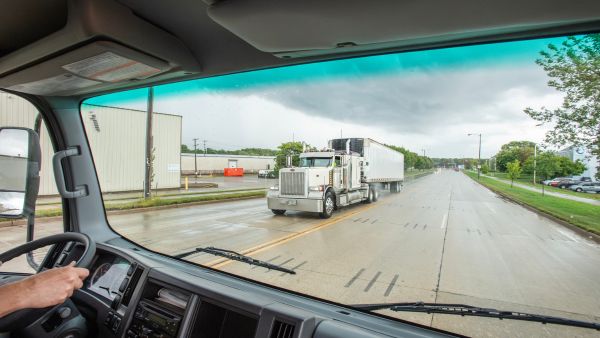
Obtaining a USDOT number and operating authority is the first step in establishing a trucking company, but they’re just that – the start. It is essential that you keep track of all requirements to stay compliant and continue operations.
1. Unified Carrier Registration (UCR)
The UCR program is a federally mandated system requiring businesses engaged in interstate commerce to pay an annual fee. This fee funds safety programs and enforcement activities at the state level.
Who must register?
- For-hire motor carriers (e.g., trucking companies transporting passengers or goods for clients across state lines);
- Private motor carriers (e.g., businesses using their own trucks to move their own goods across states);
- Freight forwarders and brokers; and
- Leasing companies involved in interstate transport.
If your operations involve interstate commerce, meaning the movement of goods or passengers across state lines or across the borders of the United States, you likely need UCR registration. Registration opens on October 1 each year. If you fail to register on time, you risk fines, out-of-service orders, and even loosing operating authority.
2. International Registration Plan (IRP)
Under the IRP, qualifying commercial vehicles can travel through several jurisdictions with one license plate, provided the apportioned registration fees have been paid to the base jurisdiction. After collecting the fees, the base jurisdiction sends each jurisdiction its share and issues a single IRP cab card and apportioned vehicle registration plate which allows motor carriers to travel in all jurisdictions.
3. International Fuel Tax Agreement (IFTA)
IFTA is an agreement on the collection and distribution of fuel use tax revenues among the lower 48 United States and 10 Canadian provinces. This program simplifies fuel tax reporting for carriers operating across multiple jurisdictions. To participate, you’ll need to obtain an IFTA license, and file quarterly fuel tax returns.
Alternatively, if you won’t be making interstate trips regularly, you may purchase temporary fuel permits for occasional trips.
4. Heavy Vehicle Use Tax (HVUT)
Under the HVUT program, trucks, tractors, and buses with a gross weight over 55,000 pounds or more registered in the U.S., Canada, or Mexico must file Form 2290 and Schedule 1.
5. State highway use and mileage taxes
Several states (examples include: Connecticut, Oregon, New York, Kentucky, and New Mexico) impose additional taxes beyond fuel taxes. In most cases, trip permits are available to satisfy tax requirements for carriers not permanently registered. These permits are sometimes combined with a temporary fuel permit.
6. Hazardous Materials Compliance
If you transport hazardous materials, you may need:
- PHMSA Hazmat Registration for certain materials in interstate or intrastate commerce. The fee for registration funds a nationwide emergency response training and planning grant program for state and local governments. No person required to file a registration statement may transport hazardous materials — or cause them to be transported or shipped — without a current annual Certificate of Registration on file.
- Hazmat Safety Permit for specific quantities and types of hazardous materials. This permit is issued at no fee, and is effective for two years, unless suspended or revoked.
7. New-Entrant Safety Assurance Program
The FMCSA requires new carriers to undergo a safety audit within the first 18 months of operation. This audit checks compliance in areas such as:
- Carrier credentials
- Insurance requirements
- Drug and alcohol testing
- CDL licensing
- Driver qualifications
- Hours of service
- Vehicle inspection and maintenance
Failing the audit — especially due to “auto-fail” violations — can result in an out-of-service order until issues are corrected.
For more information on this program, refer to Part 385 of the regulations.
Why compliance matters
Non-compliance can lead to severe penalties, operational shutdowns, unsafe working conditions, and reputational damage. As a trucking company, it is your responsibility to operate in a way that prioritizes safety for your employees, and the rest of the motoring public. By following these steps, you not only meet legal requirements, but also build a foundation for safe, efficient, and profitable operations.